


AI agents are advanced chatbots that perform tasks using generative AI and data integrated from various platforms. Companies use AI agents to handle automated complex scenarios that human agents previously managed. It takes a human agent 6-7 months to learn what an AI agent can learn in a few weeks. Using AI agents is a great way to improve business growth as they provide valuable data and insights to your business team.
AI agents are advanced chatbots powered by generative AI. They can:
- Orchestrate tasks across multiple platforms
- Carry out complex scenarios previously handled by humans
- Learn and adapt much faster than human agents
- Optimize business growth through data-driven insights
Emerging Trends in AI Agents
As noted in the latest McKinsey analysis, emerging trends in AI agent technology, such as conversational AI, personalisation, and implementation challenges, significantly impact the bottom line in several industries. Let’s discuss these trends below:
The Business Impact of AI Agents
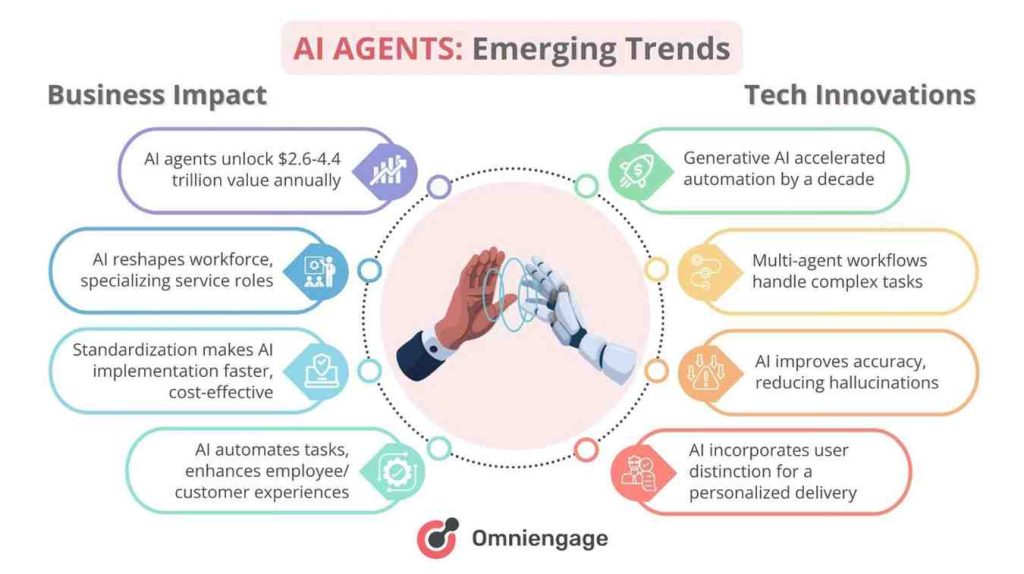
1. AI agents are unlocking new value
Gen AI enterprise use cases could yield $2.6 trillion to $4.4 trillion annually in value across more than 60 use cases, with significant efficiency improvements observed in customer service.
2. AI agents are reshaping the workforce
As AI agents become more prevalent, there may be more specialisation in service work, with some functions fully automated while others focus on high-touch interactions.
3. AI agents have transformative potential
AI agents can transform corporate services and workflows by automating tasks and creating better experiences for employees and customers. In customer care, for example, AI agents can improve satisfaction and generate revenue by addressing broader needs beyond immediate questions.
4. Businesses implementing AI are navigating adoption hurdles
Organizations face challenges in trust, data quality, change management, and AI governance. For example, 20% see data quality as a major obstacle in utilizing AI.
5. AI agents are moving towards standardisation
AI agent applications are now being standardized and industrialized, which will make implementation faster and more cost-effective. This means that frameworks for AI agents are becoming more like “packaged software.”
Tech Innovations Backing AI Agents
1. Rapid acceleration with generative AI
Generative AI technology is advancing rapidly, accelerating the automation adoption timeline by about a decade. Previous estimates suggested that 50% of work activities could be automated by 2055, but due to fast AI advancements, this is projected to happen around 2045.
2. Expanded capabilities with multi-agent workflows
Modern AI agents can now orchestrate complex workflows, coordinate activities among multiple agents, apply logic, and evaluate answers. This allows them to handle more complex tasks and use cases.
3. Getting responses right, no-more hallucinations
AI advancements can now correct “wrong” answers, leading to higher accuracy rates. For example, LLMs can assess and rectify incorrect answers, improving accuracy when combined with human expertise.
4. User distinction and personalized delivery
AI agents can distinguish between customers and internal users, personalizing interactions with both groups and assisting human agents in improving their skills.
5. Augmenting human potential
AI agents automate processes and support human workers by providing real-time assistance, coaching, and personalised learning.
Types of AI Agents
AI agents are built on large language models (LLMs), which provide natural language processing abilities. But they don’t stop there. AI agents also incorporate execution agents to break down complex tasks, specialised functional models for custom business needs, and self-learning systems for reasoning and planning. Read more on how AI agents work. AI agents offer consistent performance, lightning-fast responses, and the ability to handle nuanced conversations. Let’s explore the different types of AI agents in this section.
1. Task-Specific Agents vs. Workflow Automation Agents
- Task-Specific: Focus on singular, defined tasks (e.g., document processing). These agents excel at repetitive, well-defined operations with speed and accuracy in their specific domains.
- Workflow: Orchestrate complex, multi-step processes across systems. They coordinate smooth transitions between business processes and adapt to real time changes.
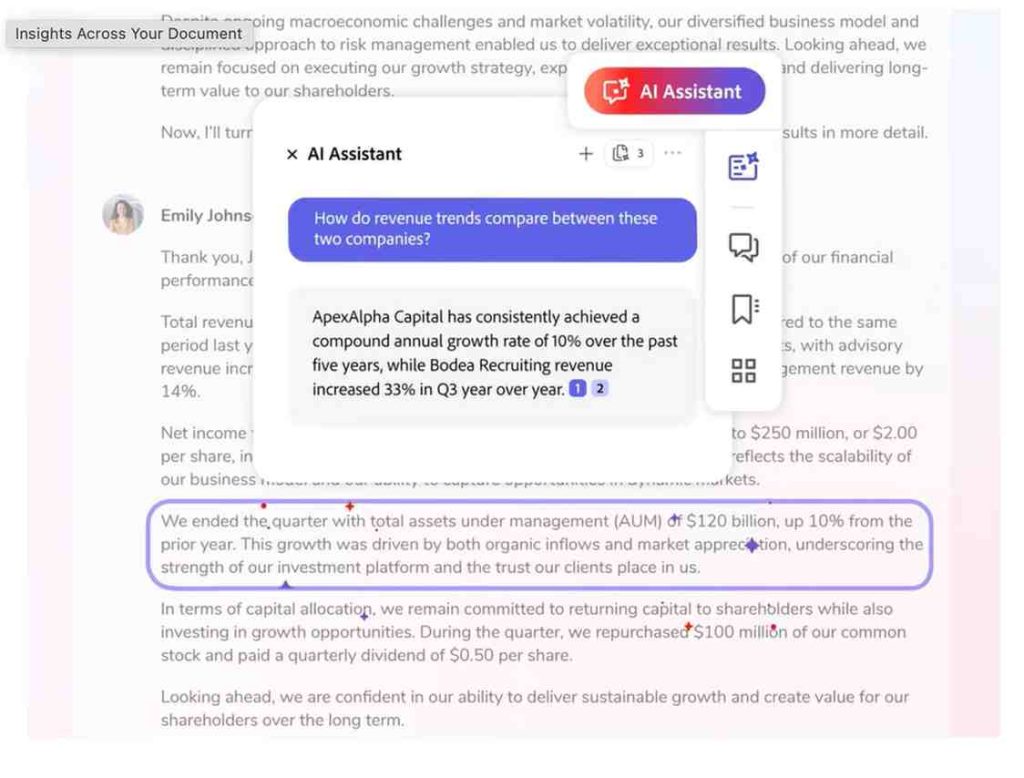
Image source: Adobe
Core technologies
Task-specific agents often use specialised machine-learning models and natural language processing. Workflow agents usually use business process management (BPM) systems, robotic process automation (RPA), and integration platforms as a service (iPaaS).
2. Conversational AI Agents vs. Information Retrieval Agents
- Conversational: Engage in human-like dialogue for assistance. These agents use natural language processing to understand and respond to user queries, often employed in customer service or as virtual assistants.
- Information Retrieval: Quickly search and summarize data from vast repositories. They excel at finding relevant information within large datasets for research and data analysis tasks.

Image Source: Unsplash
Primary use case
Combining these could create powerful interactive knowledge bases. An AI agent like this engages in conversation while instantly retrieving and contextualizing relevant information from extensive databases.
Underlying technologies
Conversational agents rely on natural language processing (NLP), dialogue management systems, and sometimes emotion recognition algorithms. Information retrieval agents use indexing algorithms, semantic search technologies, and often leverage knowledge graphs.
3. Decision Support Agents vs. Predictive AI Agents
- Decision Support: Analyze data to assist human decision-making. These agents process complex information and present insights for professionals to make informed choices.
- Predictive: Forecast future outcomes based on historical data and trends. Using machine learning algorithms, they can anticipate future events or behaviors for strategic planning and risk management.
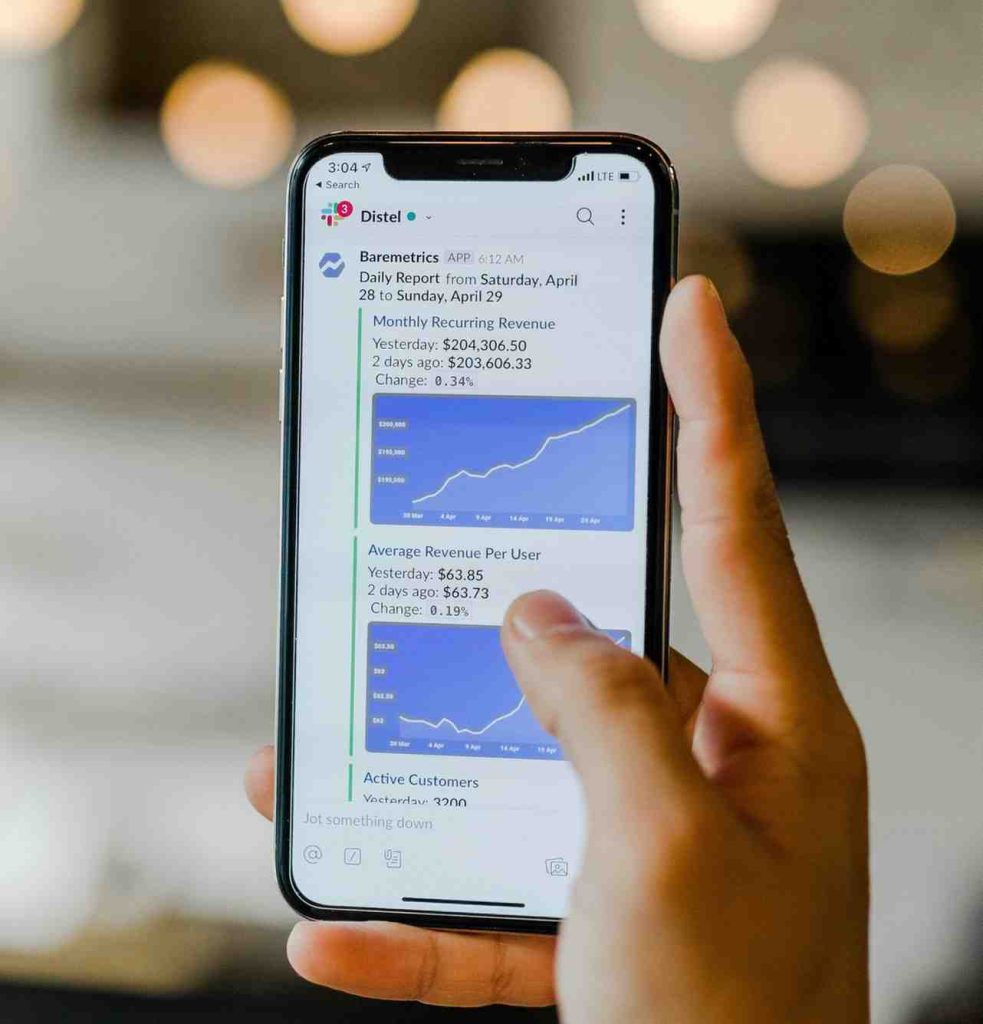
Image Source: Unsplash
Key technologies
Decision support agents often use expert systems, multi-criteria decision analysis (MCDA) tools, and data visualization technologies. Predictive agents typically employ machine learning algorithms, statistical modeling, and sometimes deep learning for complex predictions.
4. Collaborative Agents vs. Adaptive Learning Agents
- Collaborative: Assist in complex tasks requiring human teamwork. These agents facilitate cooperation among team members, often managing project workflows or coordinating distributed tasks.
- Adaptive Learning: Improve performance over time based on interactions. They use feedback and experience to enhance their capabilities, becoming more effective and efficient with continued use.
Future trends for teamwork
We might see the emergence of adaptive collaborative agents that enhance team dynamics while continuously improving. These advanced agents could revolutionize project management and team productivity by learning from each interaction and optimizing collaboration strategies.
Evolving technologies
Collaborative agents often use multi-agent systems, distributed AI architectures, and sometimes blockchain for secure collaboration. Adaptive learning agents typically employ reinforcement learning algorithms, neural networks, and sometimes genetic algorithms for continuous improvement.
Top 5 Business Use Cases of AI Agents
AI agents are offering intelligent solutions across various domains. Agents can automate tasks, analyze data, and provide valuable insights. From customer service to fraud detection, AI agents are transforming industries by enhancing efficiency, reducing costs, and improving decision-making.
Let’s explore further the top 5 business use cases of AI agents, showcasing their versatility and impact. Each use case demonstrates how AI can solve business challenges to drive growth and innovation.
1. Customer Support AI Agent
These agents are at the interface of a business’s client interactions. These assistants handle customer queries, perform troubleshooting, and make customised recommendations. They understand and respond to customer needs efficiently.
For example, an e-commerce company might use an AI support agent to help customers track orders, process returns, and answer product-related questions. The result is improved customer satisfaction, reduced operational costs, and 24/7 availability of support services.
- Handles customer queries
- Performs troubleshooting
- Makes customized recommendations
Xero launched a generative AI chatbot in Xero Central to help customers find information more quickly and accurately. This AI smart business companion is called ‘Just Ask Xero’ (JAX). It assists small businesses and their advisors with accounting-related tasks.

2. Sales Prospecting Agent
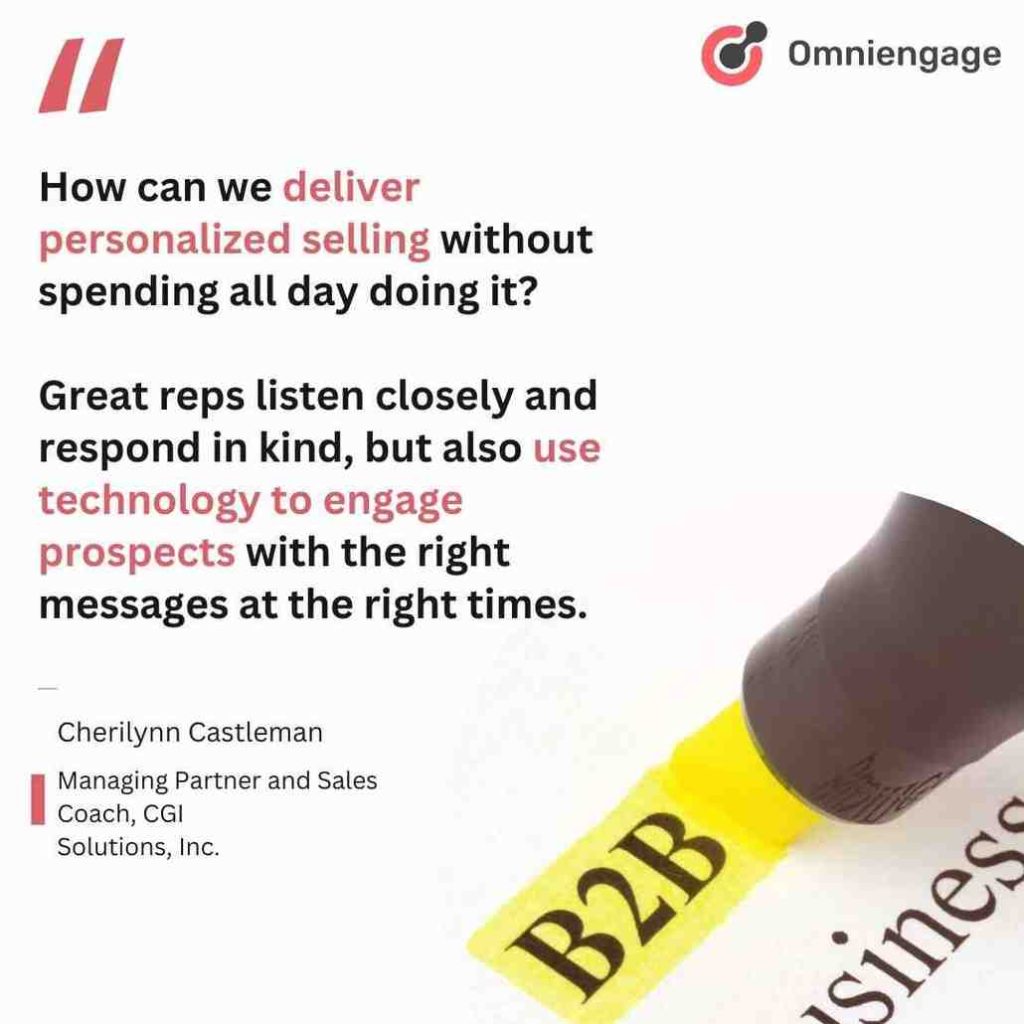
AI sales prospecting agents are used to approach lead generation and conversion. AI agents automate the sales process, from identifying potential customers to nurturing leads and making personalised recommendations. They can pinpoint high-quality prospects from data scraping and create outreach strategies for maximum impact.
Consider a B2B software company using an AI prospecting agent to identify potential clients based on industry trends, company size, and online behaviour. The agent can then craft personalised pitches and follow up automatically, increasing conversion rates. Sales AI saves time and ensures a more targeted and effective sales strategy.
- Boosts lead generation
- Automates lead conversion & sales process
- Makes personalized outreach campaigns
3. Lead Sourcing Agent
AI-driven lead-sourcing agents are transforming how businesses acquire and analyse potential customers. AI agents can capture leads from multiple platforms, perform real-time lead analysis, and identify high-quality prospects. Using machine learning, they process vast amounts of data to uncover valuable insights about potential customers.
For instance, a marketing agency might use a lead sourcing agent to scan social media, industry forums, and company websites to identify businesses needing their services. The agent can then analyse this data to prioritise leads based on budget, timeline, and likelihood to convert. This approach saves time and ensures that sales efforts are focused on the most promising opportunities.
- Acquires quality leads
- Captures leads from multiple platforms
- Performs real-time lead analysis
Large companies are leading the adoption of AI, with 76% planning to use it for automation in the coming year (Source: Fortune). This includes using AI for lead sourcing, as evidenced by the increasing use of AI in sales and marketing efforts across various industries.
4. Brand Marketing Agent
AI brand marketing agents can promote company products and services. They optimize marketing campaigns, monitor brand sentiment across various platforms, and manage multi-channel marketing efforts. They can analyze consumer behavior and market trends, and help businesses create more targeted and effective marketing strategies.
- Optimizes marketing campaigns
- Monitors brand sentiment
- Manages multi-channel marketing
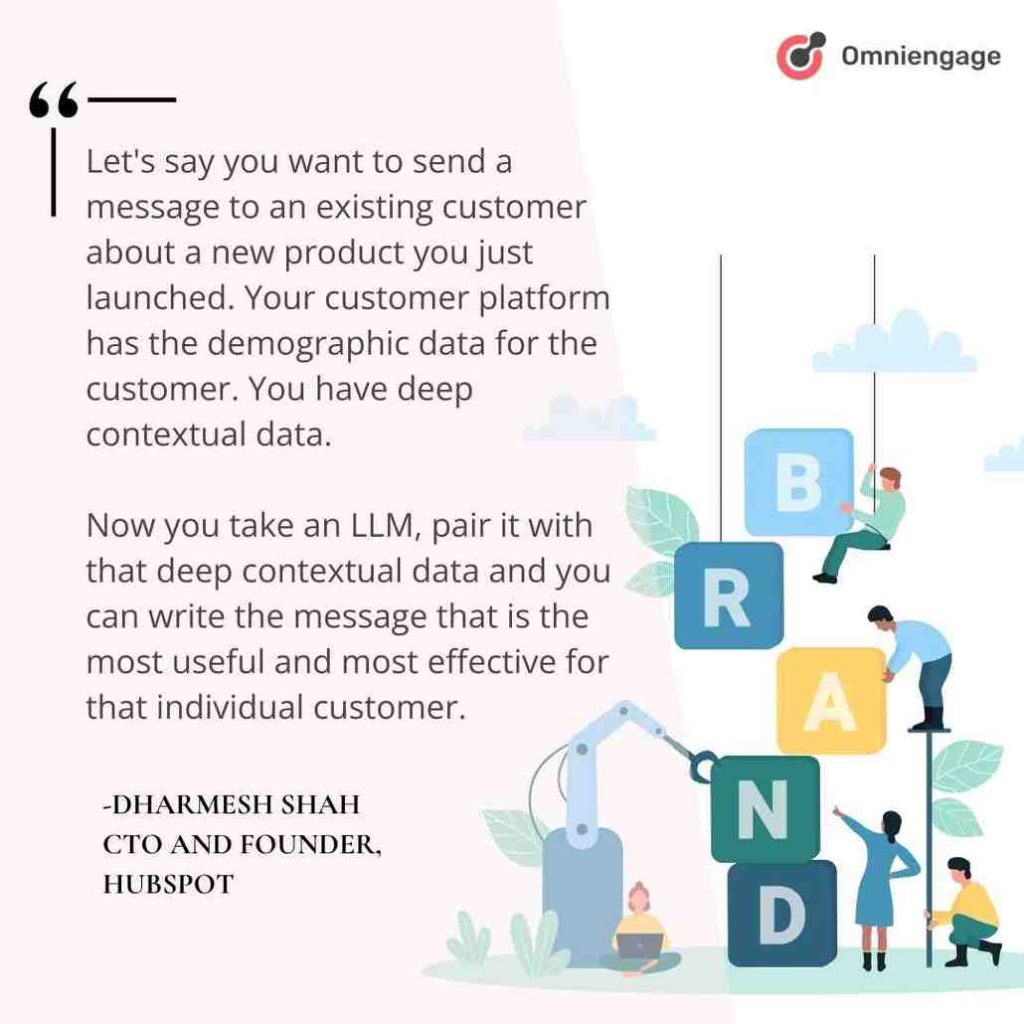
Macquarie Group is leveraging AI to enhance productivity and improve client experiences. In fiscal year 2024, they piloted various generative AI products and began rolling out enterprise tools designed to assist staff with everyday activities, including marketing tasks.
5. Fraud Detection Agent
AI fraud detection agents can identify discrepancies and protect customers from financial crimes. These intelligent systems can spot transactional and customer behaviour anomalies, frame risk-protection policies, and conduct scheduled scans to identify potential threats.
Insurance Australia Group Limited has integrated generative AI into its claims processes, bolstering fraud detection capabilities. Their AI systems empower claims teams to identify potential fraud better while assisting vulnerable customers, ensuring all clients’ needs are met promptly and effectively. A fraud detection agent:
- Spots transactional and customer behavior anomalies
- Frames risk-protection policies
- Conducts scheduled scans
From these business use cases, it’s clear that AI agents have the capability to provide solutions for teams – from customer services to lead sourcing to brand marketing and fraud detection. One such AI for sales is Cynthia AI, which can automate prospecting to enable sales teams to deliver tangible business results from cold outreach.
Introducing Cynthia AI: AI Agent for Sales and Marketing
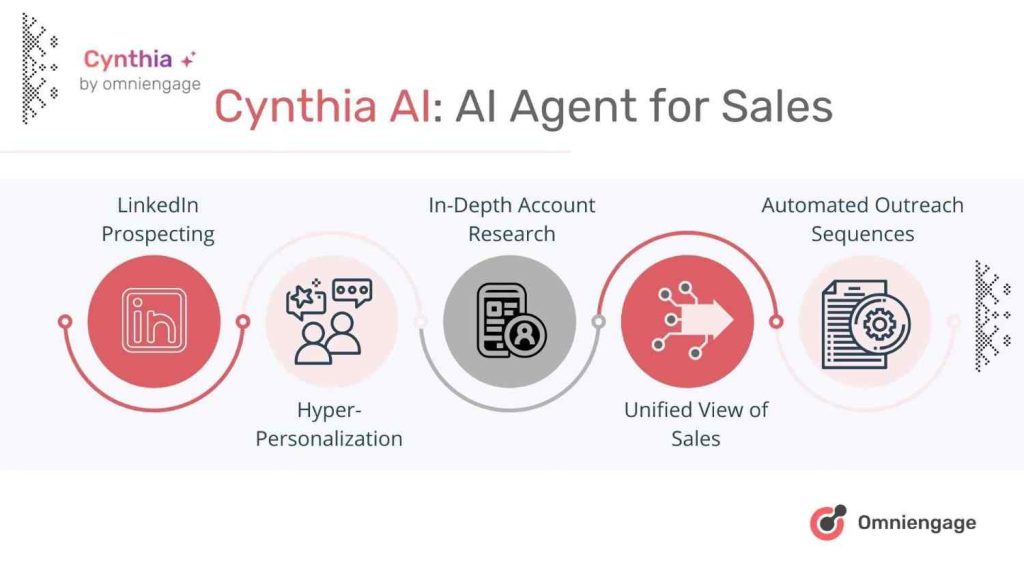
AI is being used in many industries, but it’s making a big impact on sales and marketing. Brands are realising how AI can help them attract and keep customers, so they’re utilising specialised AI agents. Cynthia AI is one such agent that can automate and enhance various aspects of the sales process, from prospecting to personalised outreach and follow-ups. Here are the key tasks Cynthia can automate:
LinkedIn-Focused B2B Prospecting
Recognizing LinkedIn’s power in the B2B space, Cynthia AI is optimized to leverage the platform’s professional context, rich data, and network connections.
Hyper-Personalization
Going beyond basic email templates, Cynthia AI analyses vast amounts of data to create truly personalized outreach that addresses specific pain points and interests of each prospect.
Account-Based Marketing (ABM)
Cynthia AI supports ABM strategies by allowing teams to focus on high-value accounts with highly personalised and multi-touch campaigns.
Sales and Marketing Alignment
Cynthia from OmniEngage provides a unified platform for outreach and analytics. Cynthia AI gives you an overview of sales and marketing activities in one single dashboard.
Automated Outreach Sequences
Cynthia AI fully automates the creation and execution of multi-channel outreach campaigns, sending personalised messages on LinkedIn and email without requiring manual intervention for each prospect.
Getting Started with Cynthia: Your Sales AI Agent
Cynthia is designed to enhance your B2B sales prospecting no matter the complexity. She enables you to achieve greater automation and efficiency in your sales outreach. You can use Cynthia for LinkedIn prospecting, company research, and personalised outreach in your B2B sales efforts. These are the steps to get started with Cynthia AI:
- Prerequisite: Configure your LinkedIn and email channels
- Optimize your company information for Cynthia
- Create an AI-powered outreach campaign
- Customize your campaign with personalized messaging
- Extend Cynthia to email outreach
- Monitor Cynthia’s performance to improve efficiency
1. Prerequisite: Configure your LinkedIn and email channels
Before you can start using Cynthia, you’ll need to set up the channels where she can communicate with your prospects. LinkedIn is the primary channel, with email as a secondary option. Ensure you have your primary sales channels set up:
- Email Setup: Configure your email system with SMTP provided to work with Cynthia for personalized email campaigns.
- LinkedIn Extension: Make sure to integrate your LinkedIn account with the LinkedIn extension.
Cynthia can orchestrate multi-channel outreach campaigns with advanced AI capabilities, significantly enhancing your reach and responsiveness.
2. Optimize your company information for Cynthia
Cynthia can recommend outreach strategies and use generative AI to create personalised messages based on your company information. Provide Cynthia with crucial information about your business like:
- Ideal Customer Profile: Define your target audience, including industry, company size, and key decision-maker roles.
- Company Details: Share your website, key pain points you solve, and successful case studies.
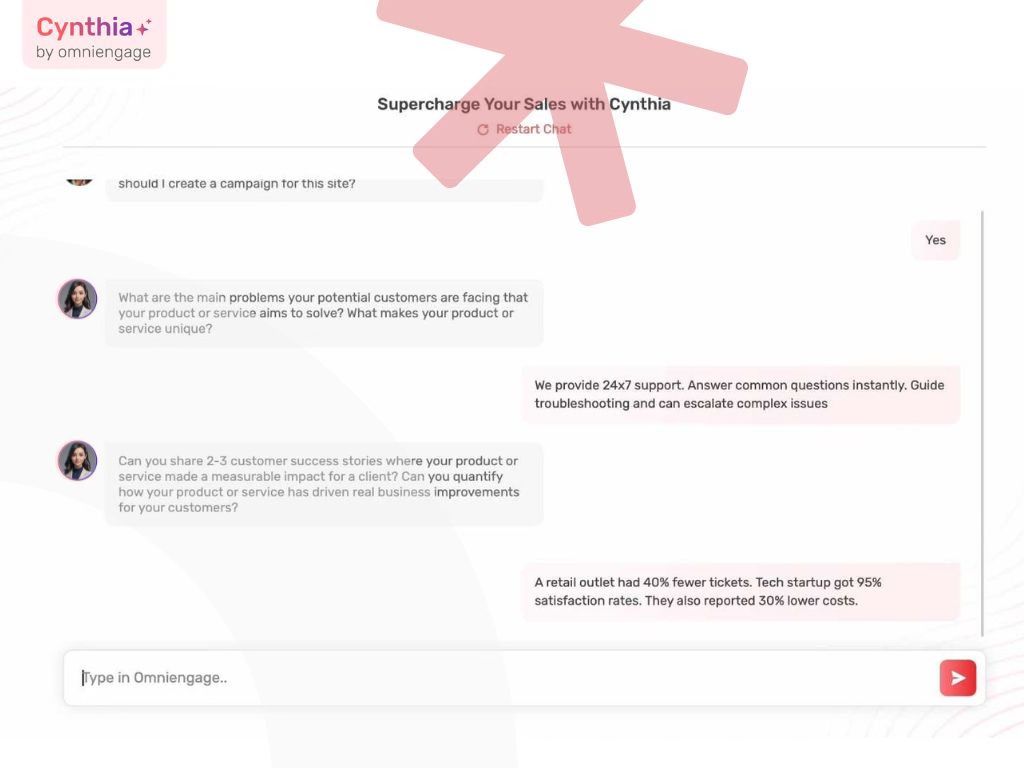
Optimising company information empowers Cynthia with deep understanding, enabling quick access to relevant data for targeted outreach and increasing meaningful engagements.
3. Create an AI-powered outreach campaign
You can quickly set up an outreach campaign without much customisation. You’ll need to define your target audience, create the campaign, and activate Cynthia to make it live for your prospects. When you create your outreach campaign, you can set the:
- Outreach Sequence: Design a campaign with progressive urgency and value pitching.
- Personalisation: Decide how deeply you want to personalise each message.
Similar to how predictive agents forecast outcomes based on historical data, Cynthia designs outreach sequences optimised for engagement and those that adapt to prospect needs.
4. Customize your campaign with personalized messaging
After you’ve created your outreach campaign, you can customise it with personalised messaging. With Cynthia’s AI-powered insights, you can create tailored message sequences to offer the best engagement and guide prospects through conversations that require more nuance. Now it’s time to put Cynthia to work:
- Personalised Campaigns: Based on the research, Cynthia will prepare sequences for LinkedIn and email outreach.
- Prospect Identification: Let Cynthia find relevant organisations and filter important leads.
- In-Depth Research: Cynthia will conduct thorough research on public and private companiy data.
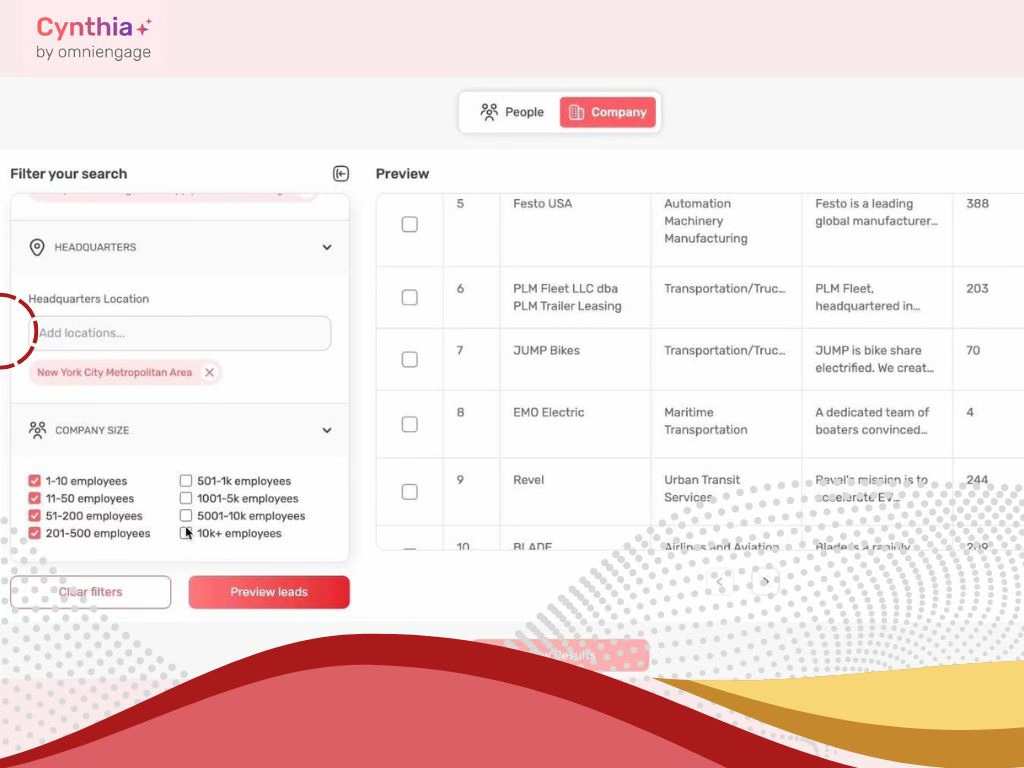
When you create personalised message campaigns, you can:
- Include multiple touchpoints in your outreach sequence.
- Enhance messages with rich content. Add links, case studies, and personalised insights to create a more engaging experience for prospects.
- Add follow-up messages to nurture leads through the sales funnel.
- Tweak or add your prompt to help Cynthia match and deliver the most relevant content for each prospect.
Using Cynthia’s advanced natural language processing, messages can be customised to speak directly to each prospect’s unique needs and pain points, leading to significantly boosted response rates.
5. Extend Cynthia to email outreach
You can add email sequences to your outreach strategy to create a multi-channel approach. Cynthia uses AI to determine when the email should be sent and what information should be included. To add Cynthia to your email outreach:
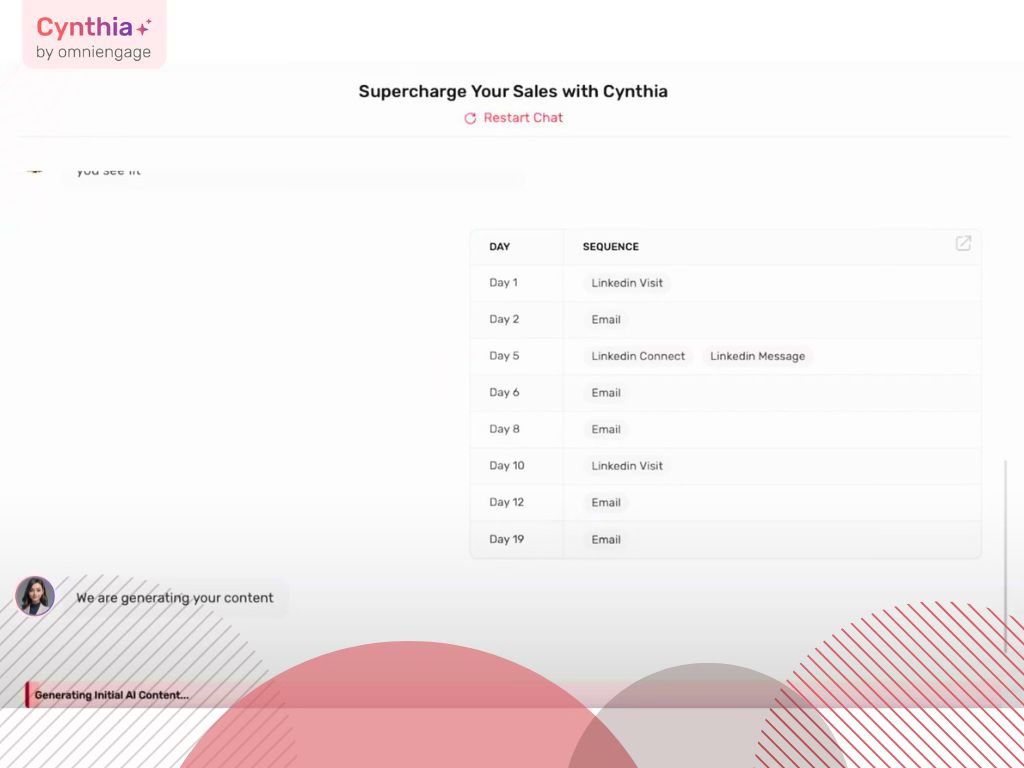
- Use email templates to create consistent messaging across channels.
- Set up triggers for follow-up emails based on prospect engagement.
6. Monitor Cynthia’s performance to improve efficiency
After you’ve set up Cynthia’s functionality, you can monitor performance and continue to improve efficiency using built-in analytics dashboards. Cynthia’s AI is powerful, but your expertise is invaluable:
- Message Review: Before sending, review Cynthia’s generated messages and make any necessary adjustments.
- Sequence Modification: Fine-tune the outreach sequences as needed.
- Continuous Learning: Provide feedback to help Cynthia improve over time.
When you activate your campaign, Cynthia becomes a more effective collaborative agent. She continually improves her approach based on campaign performance, leading to a more effective outreach strategy and sustained growth in your sales pipeline.
Conclusion
From the trend towards standardisation to the emergence of collaborative and adaptive learning agents, it’s clear that AI is not just a futuristic concept but a present reality driving business growth. We’ve examined various types of AI agents – from task-specific to workflow automation, from conversational to predictive – each offering unique capabilities to enhance your sales and marketing efforts.
The real-world applications we’ve discussed, such as customer support, sales prospecting, and fraud detection, demonstrate the versatility and power of AI agents across different business functions. Cynthia AI embodies these capabilities, offering a comprehensive solution that combines LinkedIn-focused B2B prospecting, hyper-personalization, and data-driven decision making.
Ready to supercharge your sales and marketing strategy with AI? Try Cynthia AI risk-free and take the first step towards upgrading your approach. Whether you’re looking to optimise your LinkedIn outreach, create more personalised campaigns, or gain deeper insights into your sales process, Cynthia can help you achieve your goals.