


Customers today aren’t sticking to one place; they’re all over the map. They might swing by your site from their phone or browse around, comparing options from different brands. Some are hitting “buy now” on their smartphones, while others are at their desks checking out your latest deals and reviews. Each customer is on their unique journey with your brand – some exploring, some thinking it over, and some loyal fans.
Gathering data from all these touchpoints is crucial, and a good customer relationship tool can help you nail it. But hey, it doesn’t end there! Your data ends up scattered across different parts of your business, especially if you’ve got multiple product lines. Well, to keep up with your customers, you have to be present on all fronts—what’s being increasingly called omnichannel marketing. The term omnichannel covers everything from advertising to customer journey automation to seamless customer experience.
Understanding how your efforts reach customers can throw you off guard when you face omnichannel data analytics hurdles like data stuck in silos, not fully grasping customer behaviour, and struggling to create personalized experiences.
What is Omnichannel Analytics?
Customer analytics involves gathering, analyzing, and gaining insights from data across various ways you connect with customers. It means that through analytics alone, you get valuable information about how customers interact so you can provide better and timely services. Omnichannel data analytics and reporting have a big impact on boosting customer satisfaction in the long haul.
Why go for omnichannel analytics? Well, the key thing with data analytics is getting a clear picture of the problem you’re tackling. So, for example, when you have a project with different parts, you want to ensure they mesh well. You can fine-tune your strategies by checking how each part is doing and how they influence each other.
With omnichannel analytics, you get a single view of your campaigns across all channels. You can tweak things by comparing different parts of your campaign. Omnichannel marketing tools help bring all your campaigns together so that you can send messages to target the right audience. For example, you can gain valuable insights into how your customers interact with your brand by analyzing data from various touchpoints, such as social media, website visits, and customer feedback. This allows you to identify any pain points or gaps in the customer journey and address them.
But it’s not just about fixing problems—omnichannel analytics allows you to capitalize on opportunities by understanding which channels are most successful in driving conversions or engagement.
Benefits of Omnichannel Analytics
If you’re looking to understand your customers and drive meaningful growth, it’s time to pay attention to how omnichannel analytics is transforming industries. Have you ever spent hours analyzing which marketing campaign drove the most sales? Or why do customers abandon their carts at the last minute? Omnichannel analytics tools are designed to ease this process by providing a unified view of your customer interactions across all touchpoints. By consolidating data from multiple channels, you can gain valuable insights into customer behaviour, preferences, and journeys. The benefits of omnichannel marketing are immense:
Customer Segmentation Accuracy
One of the primary metrics positively influenced by omnichannel analytics is customer segmentation accuracy. Utilizing omnichannel analytics can achieve up to a 90% accuracy rate in customer segmentation, compared to an average of 50% for those relying on single-channel data (more on omnichannel statistics). This enhanced segmentation allows companies to channel their marketing efforts, product offerings, and customer experiences to specific target audiences, resulting in higher engagement and conversion rates.
Boosted Customer Lifetime Value
Omnichannel analytics also boosts customer lifetime value (CLV). By delivering personalized experiences and targeted marketing campaigns across channels, businesses can foster long-term customer loyalty and increase the average revenue generated per customer. Research indicates that companies implementing omnichannel strategies can experience an increase in CLV, having a significant financial impact.
Optimized Marketing Campaign Performance
Omnichannel analytics delivers measurable results for marketing campaigns. By analysing customer interactions and responses across various channels, marketing strategies can be optimized for resource or budget investments. Studies reveal that omnichannel campaigns typically generate a 3-5 times higher engagement rate compared to single-channel campaigns. This increased engagement translates into higher conversion rates and a better return on investment (ROI).
Building Customer Loyalty
Omnichannel analytics can build customer loyalty by providing consistent, personalized experiences across touchpoints. Consistently providing great experiences increases customer satisfaction and makes them more likely to stick around – enabling customer retention. Offering special deals to repeat customers can incentivise them to stay loyal to the brand. Using omnichannel analytics, it’s easy to pinpoint customers and offer them personalized deals.
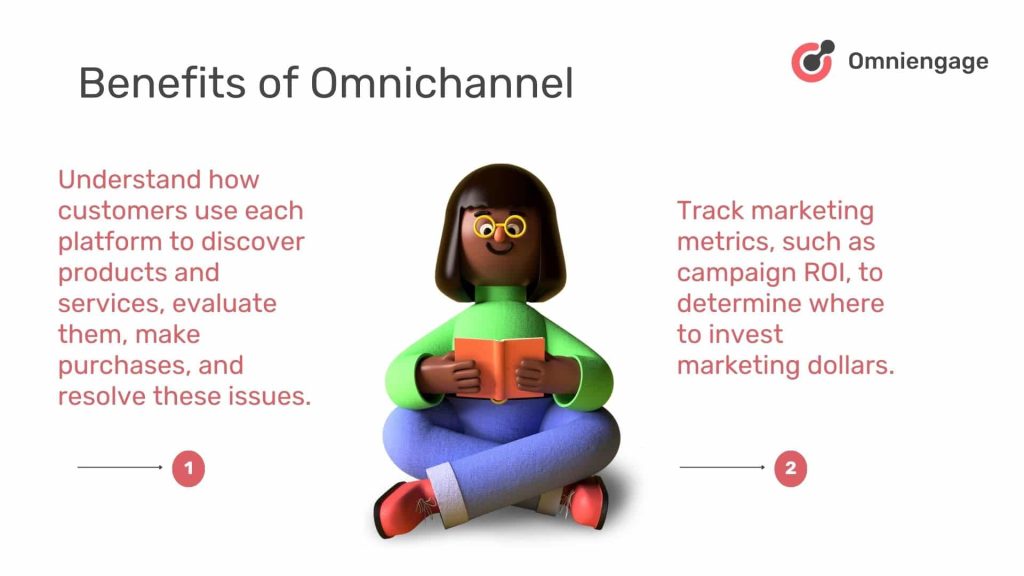
Omnichannel analytics provide valuable insights into how customers engage with various platforms to discover products, evaluate them, make purchases, and address issues. These analytics also enable companies to track important marketing metrics like campaign ROI. In turn, this empowers them to make informed decisions about where to allocate their marketing resources.
Implementing Omnichannel Analytics
Do you seek to delight customers, boost sales, or streamline operations? You can start your omnichannel analytics journey with your business goal in place. Once your goal is clear, implement tangible markers or KPIs like customer loyalty, sales conversion rates, or order values to measure ROI.

Map customer touchpoints: The next step is to get an insight into how your customers reach your brand. Map out a detailed list of customer touchpoints. Dive into all the touchpoints they hit, such as website visits, app opens, social media likes, email reads, store visits, and chats with support.
Centralize data from touchpoints: Once you’ve pinpointed your touchpoints and data channels, it’s time to get into the details of gathering and merging data. The magic lies in creating a seamless data flow from every touchpoint into a central hub, giving you a full view of how your customers interact with your business.
Learn customer preferences and trends: With this data brought together in one place, you’ll spot emerging trends and patterns based on customer interactions. For e.g., you can group customers based on their preferences, brand interactions, geography, and more. This will guide your strategy by helping you optimize your chances to personalize, fine-tune, and diversify your campaigns.
Optimize campaign delivery: Now, it’s time to make things happen! You may discover that certain customers love getting targeted emails, while others prefer messaging on social media apps. So, tweak your marketing moves to match their vibes, hitting them with the right message on the right platform at the right moment.
Circle back to your business goals: Your key performance indicators (KPIs) will help you assess your progress. If something’s not quite right, pivot your strategy using the power of data.
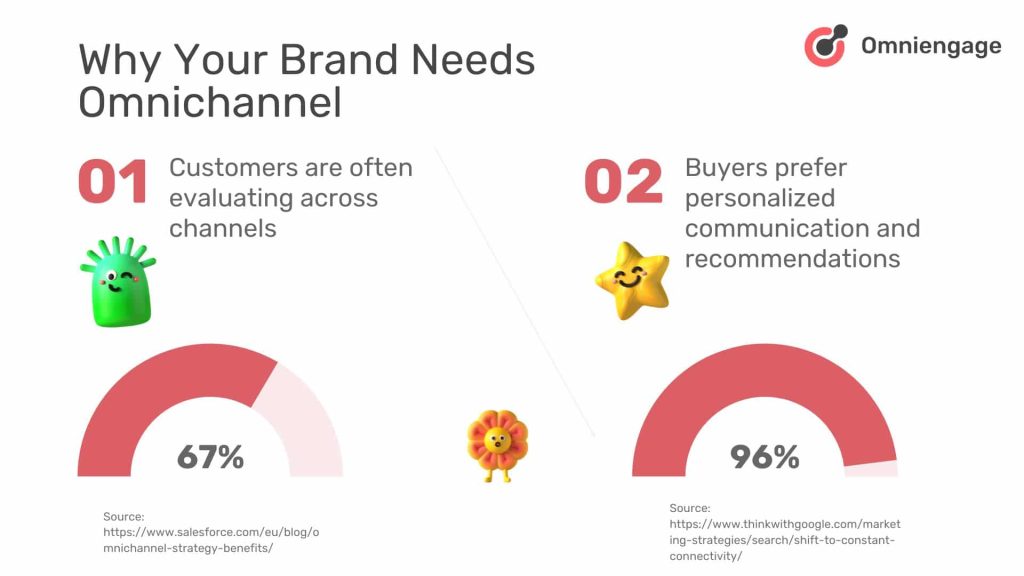
Why Your Brand Needs Omnichannel Analytics
Let’s talk about the benefits of omnichannel analytics for enhancing customer experience in different industries:
SaaS (Software as a Service)
For SaaS companies, imagine a long journey your customers take before they decide to hop on board with your product. It’s crucial to engage users at various touchpoints across different platforms. But, keeping an eye on user behaviour across various devices and touchpoints is no walk in the park. Each missed interaction translates to a missed chance to engage, convert, and retain. With lengthy customer journey cycles, you need to engage users at multiple stages. Miss a beat, and you’re looking at higher churn rates and lower customer lifetime value.
KPIs to measure in SaaS
As SaaS businesses scale and expand, having an omnichannel approach gives you a clearer picture of all the channels you’re using to connect with your customers.
| Conversion Rates | Customer Engagement | Customer Experience |
| Channel-specific customer acquisition cost (CAC) | Omnichannel user stickiness | Channel-specific user feedback |
| Cross-channel feature usage | Omnichannel friction points | |
| Multi-channel user activity level | Channel contribution to customer lifetime value (CLV) | |
| Referral rate |
E-commerce
In the world of online shopping, making sure customers get the right product recommendations, don’t abandon their carts, and actually make a purchase is key. With omnichannel commerce, you’re dealing with customers who shop on different devices, at different times, and in different ways.
Sometimes a customer might make a purchase based on their interest level, or maybe a good discount seals the deal. When customer journeys are spread across different devices and timelines, keeping the experience smooth becomes a maze. A high-intent user adds an item to their cart but then leaves it because they don’t receive the right nudge at the right time. Not only do you lose that sale, but the customer may also never return, affecting your conversion rates.
KPIs to measure in e-commerce
Using omnichannel analytics helps you boost conversion rates by personalizing offers, reducing cart abandonment, and suggesting products that match your customers’ tastes.
| Conversion Rates | Customer Engagement | Customer Experience |
| Product offer conversion rate | Repeat purchase rate | Post-purchase survey completion rate |
| Upsell and cross-sell conversion rate | Product recommendation engagement rate | Customer review sentiment |
| Discount code redemption rate | Email click-through rate | Omnichannel support satisfaction |
| Abandoned cart recovery rate | Social media engagement rate | Returns and refund processing satisfaction |
Travel and Hospitality
When it comes to travel and hospitality, personalizing offers and experiences to customers is a game-changer. From upgrades to managing pricing and enhancing loyalty programs, there’s a lot to consider. Envision a scenario where a loyal frequent flyer isn’t aware of an exclusive upgrade offer. They miss out on a premium experience, and you miss out on potential upsell revenue. This lack of communication can erode loyalty and impact future bookings.
With omnichannel analytics, loyalty programs get a boost. You can pamper frequent flyers with SMS loyalty programs, offering them exclusive deals and perks. Airlines and hotels can use SMS or chat apps to upsell upgrades like premium seats or room enhancements to travellers who are likely to be interested.
KPIs to measure in travel and hospitality
| Conversion Rates | Customer Engagement | Customer Experience |
| Upgrade conversion rate | Loyalty program participation rate | In-stay customer service rating |
| Package deal conversion rate | Referral program participation rate | Customer review sentiment |
| Abandoned booking recovery rate | Email open and click-through rates | Omnichannel support satisfaction |
| Social media engagement rate | Average response time to customer inquiries | |
| Net Promoter Score (NPS) by channel |
Conclusion
Having a unified view of your customer interactions cannot be overstated. Knowing exactly how your brand is doing in the market can help you make smart moves that bring in better returns and run more effective campaigns. An omnichannel view lets you watch all your important stats across every platform, see how you’re doing against your goals, and compare which channels are acing it and which might need a boost.
Businesses that truly get their customers and create experiences specific to them end up with happy, loyal customers who keep returning for more. With OmniEngage, you can push your brand to its full potential. Get started today with a free trial.
Infographic Statistics Source