


Omnichannel marketing has proven to be a powerful tool for businesses looking for growth. You can engage customers in new and exciting ways while learning more about their brand interactions, purchase behaviour, or intent. This can help you engage customers better, improve customer retention and build long-term relationships. This blog post will show omnichannel marketing examples of companies that inspire your own marketing strategies and show you how they excelled. So, if you’re looking for new and innovative ways to connect with your audience, keep reading!
What is omnichannel marketing, and why should you care?
What does omnichannel marketing mean? In its simplest form, omnichannel marketing uses multiple marketing channels to reach consumers. It mixes traditional and digital channels like social media and email. It creates a seamless experience for the customer, regardless of their channel.
You should consider using omnichannel marketing for your business for a few reasons.
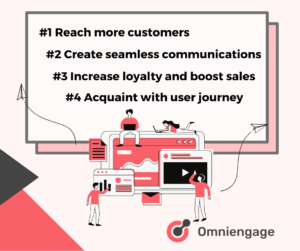
- Allows you to reach more customers. Using multiple channels, you can cover more ground and reach more people.
- Creates a seamless experience for the customer. They don’t have to go to different websites or use other apps to find what they are looking for; they can go to one place and see everything they need.
- Increases loyalty and sales. Customers with a positive experience with your brand will be more likely to return and buy from you again.
- Acquaints with your customers’ journey. Understanding your customers’ preferences and behavior can help you improve your marketing efforts.
- Boosts sales by being present across various channels. An omnichannel presence encourages customers to buy products from multiple channels – when they want.
So if you’re looking to increase your reach and improve your customer experience, omnichannel marketing is worth considering.
Omnichannel Marketing in Action: Examples in Products & Services
Omnichannel marketing can create compelling brand identity that consumers can connect with in product-based softwares. By using a variety of marketing channels, businesses can create a consistent brand image across all channels. This increases the likelihood that the consumer will form a positive impression of the brand and be more likely to purchase products from the company.
In services, omnichannel marketing is essential for reaching new customers and building relationships. Businesses can communicate with potential customers in multiple ways by using various channels. This allows customers to learn about the company and its services comfortably. It also makes it more likely that potential customers will become actual customers.
#1. Connecting Everywhere: Online and Offline Engagement
Brands use omnichannel marketing to create a seamless and consistent customer experience across online and offline channels. Customers can engage with a brand through various touchpoints, including physical stores, websites, mobile apps, social media, and more, and receive a consistent and personalized experience at every touchpoint.
For example, a customer might browse a brand’s website to research a product, then visit a physical store to see the product in person and make a purchase. The brand might use data from the customer’s website browsing history to offer personalized recommendations or discounts when they visit the store. After the purchase, the customer might receive follow-up communications through email or social media that provide additional support or suggest complementary products.
By using omnichannel marketing, brands can engage with customers wherever they are and offer a seamless and consistent experience across all channels, which helps to build stronger relationships and drive customer loyalty.

Salesforce
Salesforce is an example of a SaaS (Software-as-a-Service) brand that uses an omnichannel marketing approach to provide a seamless and consistent customer experience. Customers can access Salesforce’s suite of business solutions through its website, mobile app, or in-person events and conferences. Salesforce also offers personalized recommendations and customer support through its AI-powered platform, Einstein, which uses data and analytics to help customers improve their business processes and achieve their goals. Additionally, Salesforce integrates with other business tools and platforms, such as social media and email marketing software, to provide a unified and streamlined user experience.
Nike
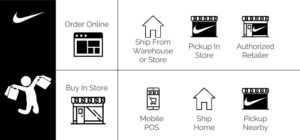
Nike uses an omnichannel marketing approach to reach its target audience through various channels such as social media, online advertising, email marketing, mobile apps, and brick-and-mortar stores. Nike’s customers can purchase products online, in-store, or through the Nike app, which provides personalized recommendations based on past purchases and preferences. A detailed review of Nike’s omnichannel retail strategy can be read here.
Sephora
Sephora sends customers samples so they can narrow down options before purchasing or sampling a new product. In the Sephora app, you can get personalized product recommendations based on skin tone, skin type, and other preferences.
Amazon
Customers can purchase products online, in-store (with Amazon Go), or through the Amazon app, which provides personalized product recommendations based on past purchases and preferences. Amazon also offers the cross-product benefit with Amazon Prime, where you can use one subscription to avail of an entirely different product benefit – like faster delivery and Prime video.
Starbucks
Starbucks uses an omnichannel marketing approach to provide a seamless and consistent customer experience. Customers can order and pay for their drinks through the Starbucks mobile app, pick them up in-store or through the drive-thru, and earn rewards points that can be redeemed for free drinks and food items. Additionally, customers can reload their Starbucks gift cards through the app, website, or in-store, making the checkout process seamless and convenient.
#2. Omnichannel Marketing for Personalization
Spotify
Spotify uses data analysis and machine learning to create a personalized music streaming experience for each user, available on various devices and platforms. Customers receive curated playlists, personalized radio stations, and recommendations based on listening history and preferences. The omnichannel marketing approach ensures the experience is consistent across all touchpoints, enabling customers to access their music seamlessly, regardless of location or device.
#3. Seamlessly Synchronizing Across Devices
Apple
Apple uses an omnichannel approach to connect with its customers across various channels giving a more synchronized experience across devices. Apple’s buying experience whether, online, in-store, or on the Apple app is seamless. Customers can purchase products online or in-store, and the Apple app provides personalized recommendations based on past purchases and preferences. Additionally, Apple’s in-store experience provides a seamless experience, with staff equipped with mobile devices to help customers with their purchases.
#4. Translating Benefits Across Channels & Products
Disney
The Disney+ streaming service is an example of convenience and speed with omnichannel marketing used by a known brand in the entertainment industry. Customers can access the service through a website or mobile app and stream content on demand, including movies, TV shows, and original programming. The service also integrates with Disney’s physical stores, parks, and other entertainment offerings, allowing customers to access exclusive content, merchandise, and experiences. This creates a seamless and convenient experience for customers, whether engaging with the brand online or offline while providing a fast and easy way to access their favorite Disney content.
#5. Boosting Audience Engagement: Emails and Social Retargeting
Bowlero
Bowlero uses omnichannel marketing for personalized email campaigns and social media retargeting. Email campaigns feature personalized messaging and exclusive offers based on the customer’s interests and behavior. Additionally, Bowlero also uses social media retargeting to reach customers engaged with its brand, offering promotions to encourage them to visit. The omnichannel approach creates a seamless experience, encourages visits, and allows Bowlero to track customer behavior and refine its marketing strategy.
H&M
H&M uses customer data to send targeted emails and retarget customers on social media platforms like Facebook and Instagram. Using an omnichannel approach, H&M creates a cohesive marketing experience that reminds customers of products they have viewed or added to their cart, ultimately leading to more effective and personalized marketing. The approach also enables the company to track customer behavior and adjust its marketing strategy accordingly.
#6. Delighting Customers with Offers and Customizations
Delta Air Lines
Delta Air Lines is an example of an airline brand that uses an omnichannel marketing approach to provide a seamless and consistent customer experience. Customers can book flights and manage their reservations through the Delta website, mobile app, or in person at the airport. Delta also offers personalized recommendations based on customer travel history and preferences. It then offers exclusive deals and promotions for its loyalty program members. Delta’s mobile app also allows customers to track their flight status, receive real-time updates, and access their boarding passes, making the travel experience more convenient and stress-free.
#7. Improving Customer’s Mobile Experiences
American Express
The American Express mobile app allows card members to manage their accounts, pay bills, track rewards, and access exclusive offers and deals. Customers can also use the app to find nearby merchants that accept Amex, view transaction history, and dispute charges. Additionally, the app integrates with Amex’s physical services, such as concierge and travel services, allowing customers to access these services while on the go. This creates a seamless and convenient experience for customers, regardless of whether they engage with the brand online or offline.
#8. Building Loyalty: Better Customer Retention
BMW
One example of a brand that uses omnichannel marketing for customer retention in the auto industry is BMW. The automaker uses channels such as mobile apps, websites, and physical dealerships to engage with its customers. In addition, BMW Ultimate Rewards provides customers with exclusive offers and benefits, such as discounts on services and accessories. BMW also uses its mobile app to provide personalized content and offers, allowing customers to engage with the brand across multiple touchpoints, ultimately increasing customer retention.
Conclusion
In its simplest form, omnichannel marketing is a strategy that uses the customer’s journey to access customers at all touchpoints. With the advancement in technology, the demand for targeted marketing has increased. If you want to stay ahead of the competition, it’s time to start incorporating an omnichannel approach into your business strategy. Not sure where to start? Get started with omniengage.co to create your first campaign.